About Poti
ExplorePoti — History and City Development
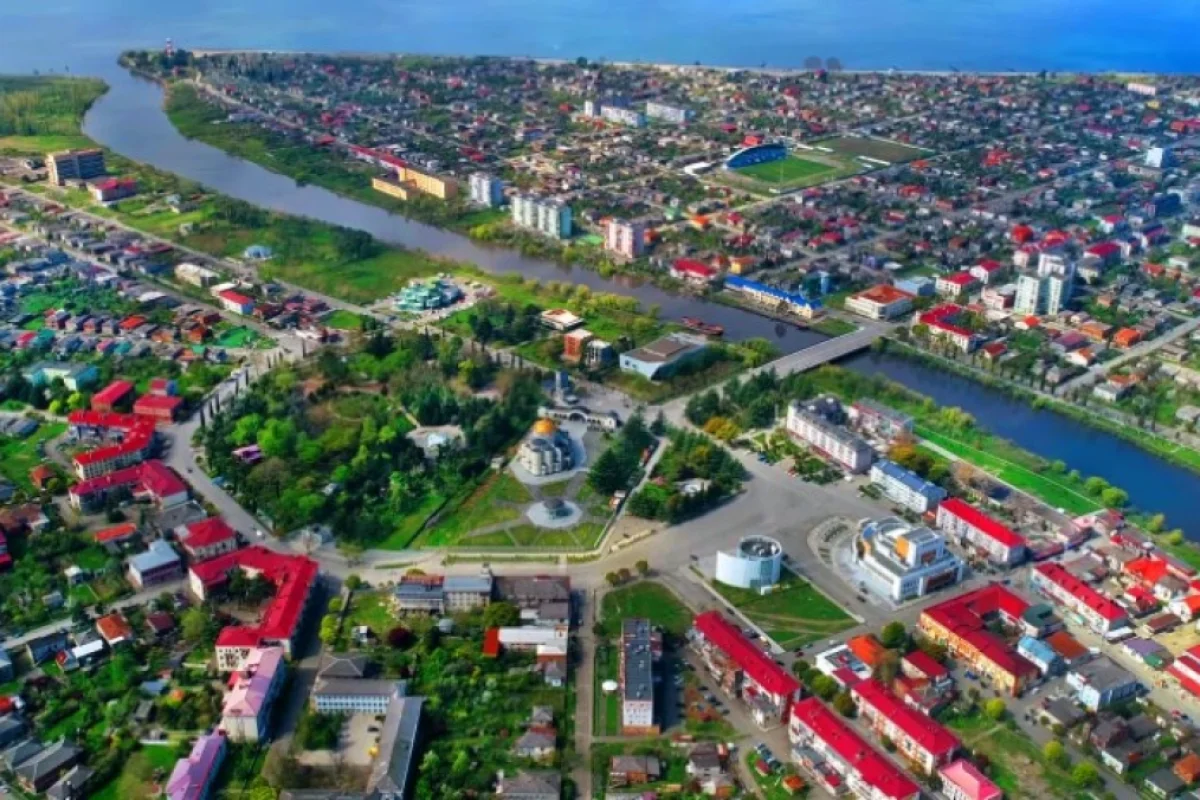
Poti is one of Georgia’s key coastal cities in the Samegrelo–Zemo Svaneti region and an important Black Sea port located near the mouth of the Rioni River. Its historical role is fundamentally geographic: river-delta access combined with a seafront position made Poti a natural gateway for western Georgia—supporting trade, transit, naval control, and cross-cultural contact. This is why the city’s story is closely tied to both the ancient world of Colchis and the modern era of port infrastructure. (britannica.com)
Ancient foundations: Phasis and the Colchian coast
Poti is widely associated with Phasis, an ancient Greek city on the Colchian coast near the mouth of the Phasis River (today’s Rioni). Overviews describe Phasis as a colony linked to Milesian Greeks and place its origins in the 7th–6th centuries BCE, connecting the site’s prosperity to maritime exchange and the river corridor inland. In many references, Phasis is treated as the principal classical predecessor of modern Poti. (en.wikipedia.org)
At the same time, it is worth noting that the relationship between the names “Phasis” and “Poti” is not always presented as a simple one-to-one etymology. Different hypotheses appear in scholarly and popular discussions, reflecting the layered linguistic history of the Black Sea littoral and western Georgia. (en.wikipedia.org)
The modern port city: 19th-century transformation
While the ancient legacy provides Poti’s deep historical horizon, the city’s modern identity as a major port accelerated in the 19th century. Encyclopaedia Britannica notes that modern Poti developed especially from the 1880s, when an artificial harbor was built and a rail link created, helping the city become a primary node for regional transit. (britannica.com)
Georgia’s official tourism platform adds important administrative milestones: it states that Poti was granted official port-city status in 1858, and that construction of a pier began in 1863—key steps that shaped the city’s “new era” as a planned maritime center rather than merely a coastal settlement. (georgia.travel)
Niko Nikoladze and urban modernization
A central figure in Poti’s modernization narrative is Niko Nikoladze, who served as mayor in the period 1894–1912. City histories commonly associate his tenure with infrastructural projects, urban planning and the strengthening of port-related development—changes that helped Poti better integrate into Black Sea economic networks. (en.wikipedia.org)
Separate references to the port emphasize Poti’s role within broader transport corridors and its function as one of the significant hubs on the eastern Black Sea shoreline. (en.wikipedia.org)
Nature at the city’s doorstep: Paliastomi Lake and Kolkheti National Park
Poti’s identity is not only industrial or maritime—its surroundings are part of a distinctive wetland landscape associated with the Colchian lowlands. Paliastomi Lake, located close to Poti, is often discussed as part of the Kolkheti National Park system. This context adds a second strong layer to Poti’s story: alongside port infrastructure, the city stands next to internationally important ecosystems. (georgiantravelguide.com)
The official National Parks platform highlights Kolkheti’s wetland and forest ecosystems and frames the area’s natural value through conservation recognition and protected-area management. (nationalparks.ge)
Poti today: Georgia’s sea gateway
Modern travel and reference sources describe Poti as Georgia’s maritime gateway, combining port economics with a coastal city atmosphere. Official tourism pages present Poti as a Black Sea destination with a port identity, while Britannica notes it as an important port with industrial and fisheries-related traditions. (georgia.travel) (britannica.com)
FAQ
Q: Why is Poti historically important?
A: Poti’s location at the Rioni River mouth links it to the ancient city of Phasis, founded in the 7th–6th centuries BCE and tied to Black Sea trade. (en.wikipedia.org)
Q: When did modern Poti develop as a port city?
A: Official sources note port-city status from 1858 and pier construction from 1863; Britannica highlights major growth from the 1880s with an artificial harbor and rail link. (georgia.travel) (britannica.com)
Q: Who was Niko Nikoladze in Poti’s history?
A: He served as mayor (1894–1912) and is widely associated with modernization and infrastructure development in the city. (en.wikipedia.org)
Q: What natural attraction is near Poti?
A: Paliastomi Lake and the surrounding wetlands are connected to Kolkheti National Park, a major protected area of the Colchian lowlands. (nationalparks.ge)