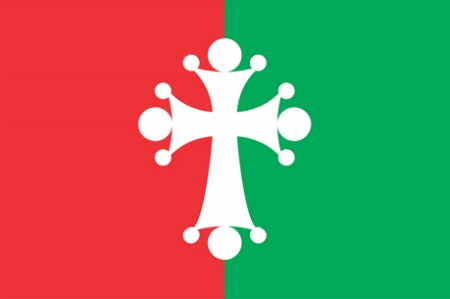
Ozurgeti Municipality
Ozurgeti Municipality — overview
History
Ozurgeti Municipality lies in Guria, western Georgia, and is organised around its administrative centre, the city of Ozurgeti. What makes the municipality distinctive is its “two-landscape” geography: to the west it reaches the Black Sea and the lowlands of the wider Kolkheti area, while to the south and east it rises into the forested slopes and highland zone of the Adjara–Guria mountain ridge. This combination has shaped settlement patterns, local economy, and mobility for centuries—valleys and river corridors connect the inland highlands with coastal areas, making the territory both habitable and traversable rather than isolated.
Historically, Ozurgeti and its surroundings are closely linked to the political and cultural space of the Principality of Guria. Regional sources note that Ozurgeti was founded in the late Middle Ages and is first mentioned by name in 1578. Later developments strengthened its role as a regional hub: it received city status in 1846, and by the late 19th–early 20th centuries it had developed civic and infrastructural functions that reflected its growing administrative and economic importance for Guria.
One of the most significant early historical sites in the municipality is the Vashnari archaeological complex, located a short distance west of Ozurgeti. Regional descriptions connect Vashnari to the period between the 5th and 7th centuries, and excavations have revealed fortification elements and early Christian structures. In local historical narratives, Vashnari often serves as a marker of early urban life and Christian heritage in Guria, highlighting that the area’s cultural layers are far older than the modern townscape.
The medieval cultural landscape is also represented by a network of monasteries, churches, and fortifications across valleys and ridgelines. Sources commonly mention Shemokmedi Monastery, Jumati Monastery, the Likhauri complex, and Askana Fortress among key landmarks. Together, these monuments illustrate the intertwined religious, defensive, and administrative functions that shaped life in Guria’s heartland through the medieval and early modern eras.
In the present day, Ozurgeti Municipality’s tourism identity draws directly from its mixed geography. On the coastal side, the municipality includes Ureki, a seaside resort known for sandy beaches and a long summer season. In the highland zone, Gomismta is a mountain climatic summer resort often nicknamed the “Resort in the Clouds”; sources describe elevations roughly in the 2,100–2,755 m range and point to nearby natural highlights such as Chinchao Lake. This makes Ozurgeti a rare destination in Guria where visitors can combine seaside relaxation with alpine views, forest routes, and cultural heritage within one municipal area.
FAQ
1) Where is Ozurgeti Municipality located?
In Guria, western Georgia; it borders the Black Sea to the west and rises toward the Adjara–Guria ridge to the south.
2) What is the administrative centre?
Ozurgeti city.
3) When is Ozurgeti first mentioned in sources?
Regional sources cite a first mention in 1578.
4) What is Vashnari?
An archaeological/fortified site near Ozurgeti, associated mainly with the 5th–7th centuries.
5) Which medieval monuments are most often highlighted?
Shemokmedi and Jumati monasteries, Likhauri complex, and Askana Fortress are frequently listed.
6) Is Ureki part of Ozurgeti Municipality?
Yes—Ureki is described as a seaside resort in Guria’s Ozurgeti Municipality.
7) What is Gomismta known for?
A high-mountain summer climatic resort, often called the “Resort in the Clouds.”
8) What is Chinchao Lake associated with?
It is commonly referenced together with the Gomismta highland area as a scenic alpine highlight.
9) What tourism styles fit Ozurgeti Municipality best?
Seaside vacations (Ureki), plus nature trips, panoramic viewpoints, and cultural heritage routes inland and in the highlands.
10) Where can I find official municipal information?
On the municipality’s official website.