invali Jvarpatiosani
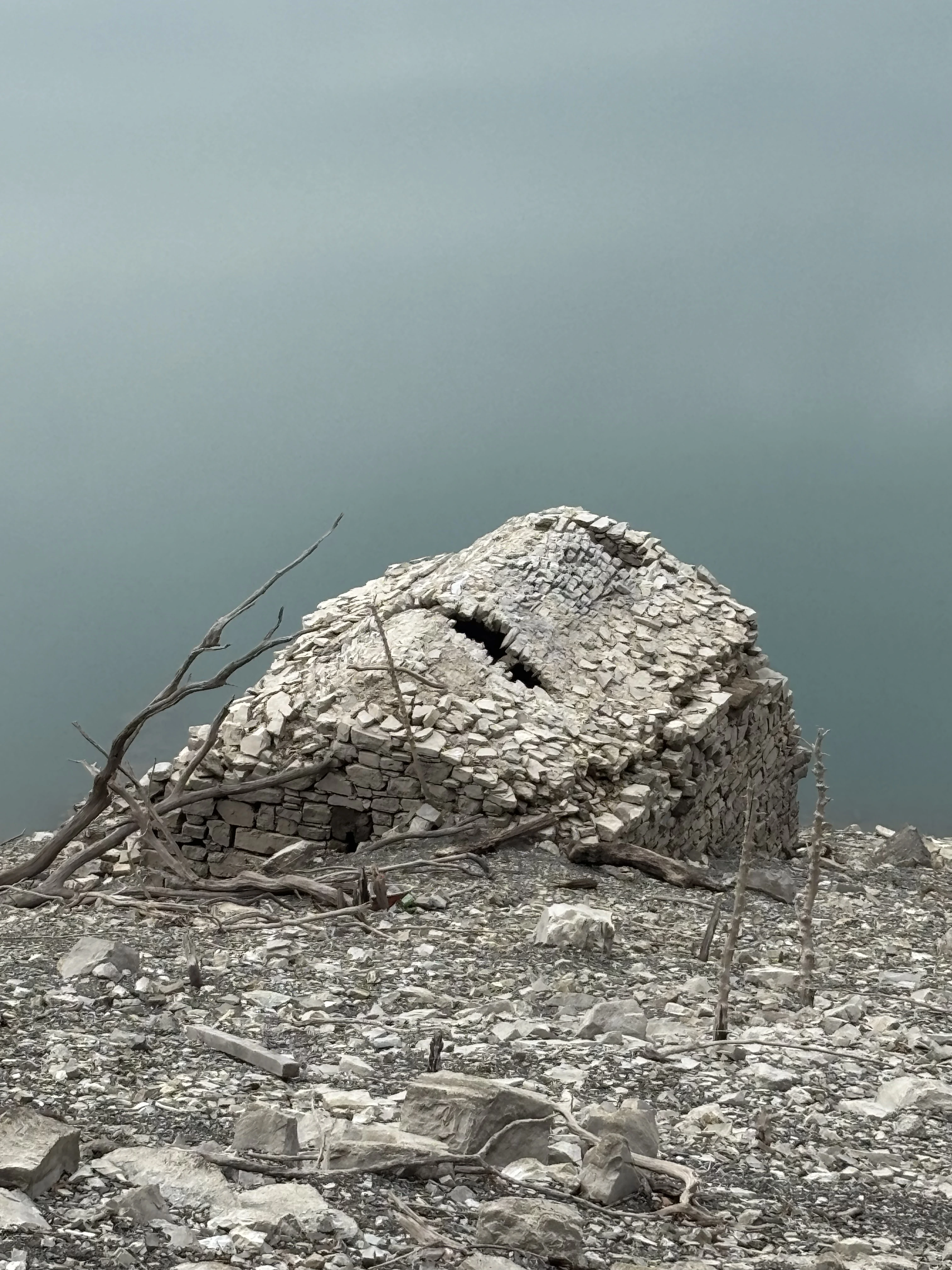
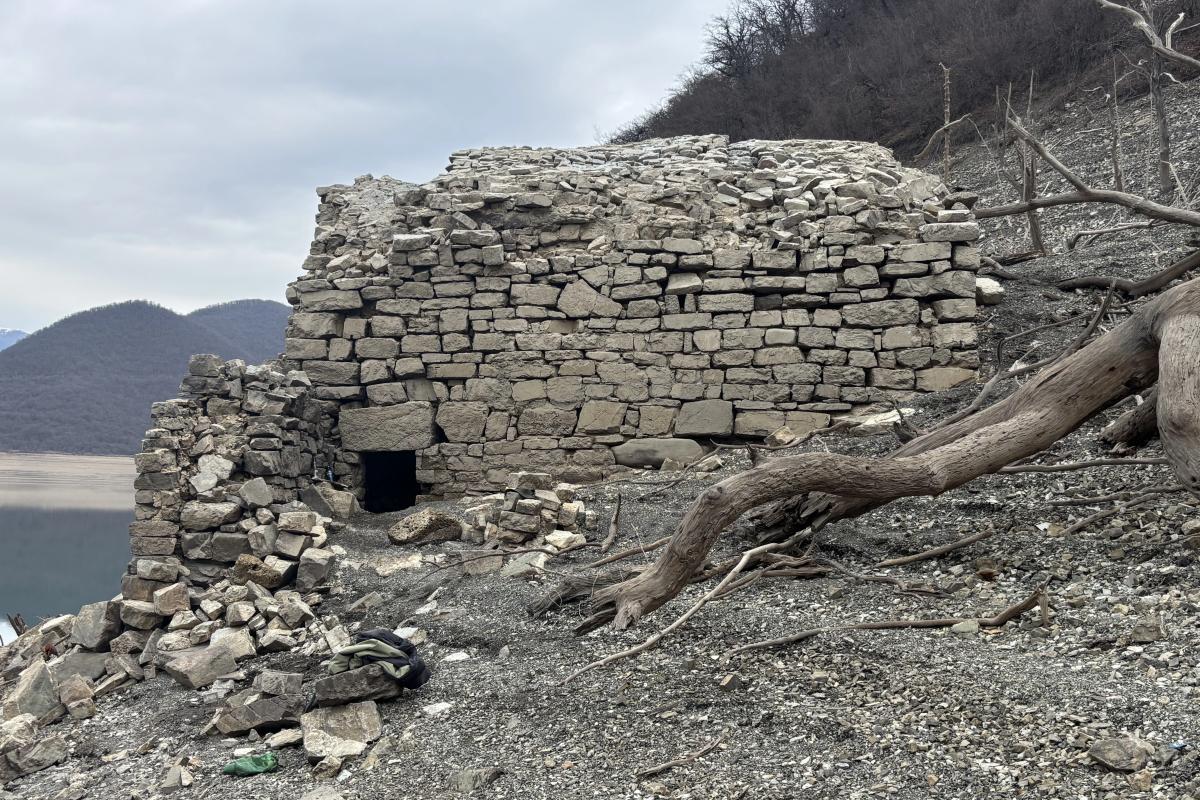
Jinvali Jvarpatiosani is a High Middle Ages church in Dusheti municipality that is now submerged beneath the Jinvali reservoir. Archaeological research recorded its layout, building materials, and the surrounding settlement, making the monument a well-known example of Georgia’s “submerged heritage.”
Church
Mtskheta-Mtianeti
Dusheti Municipality
Open in maps (OSM) ↗
Overview
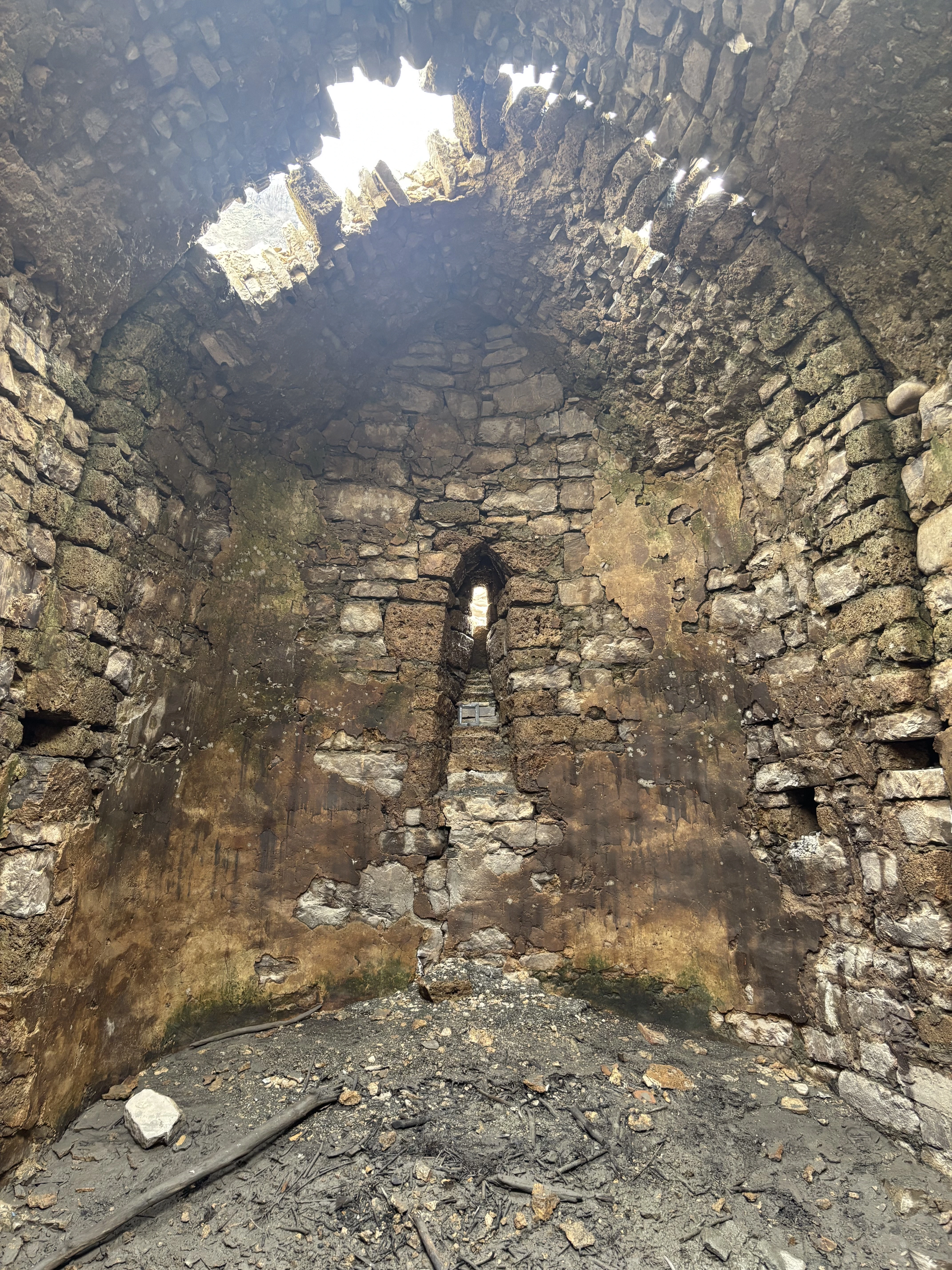
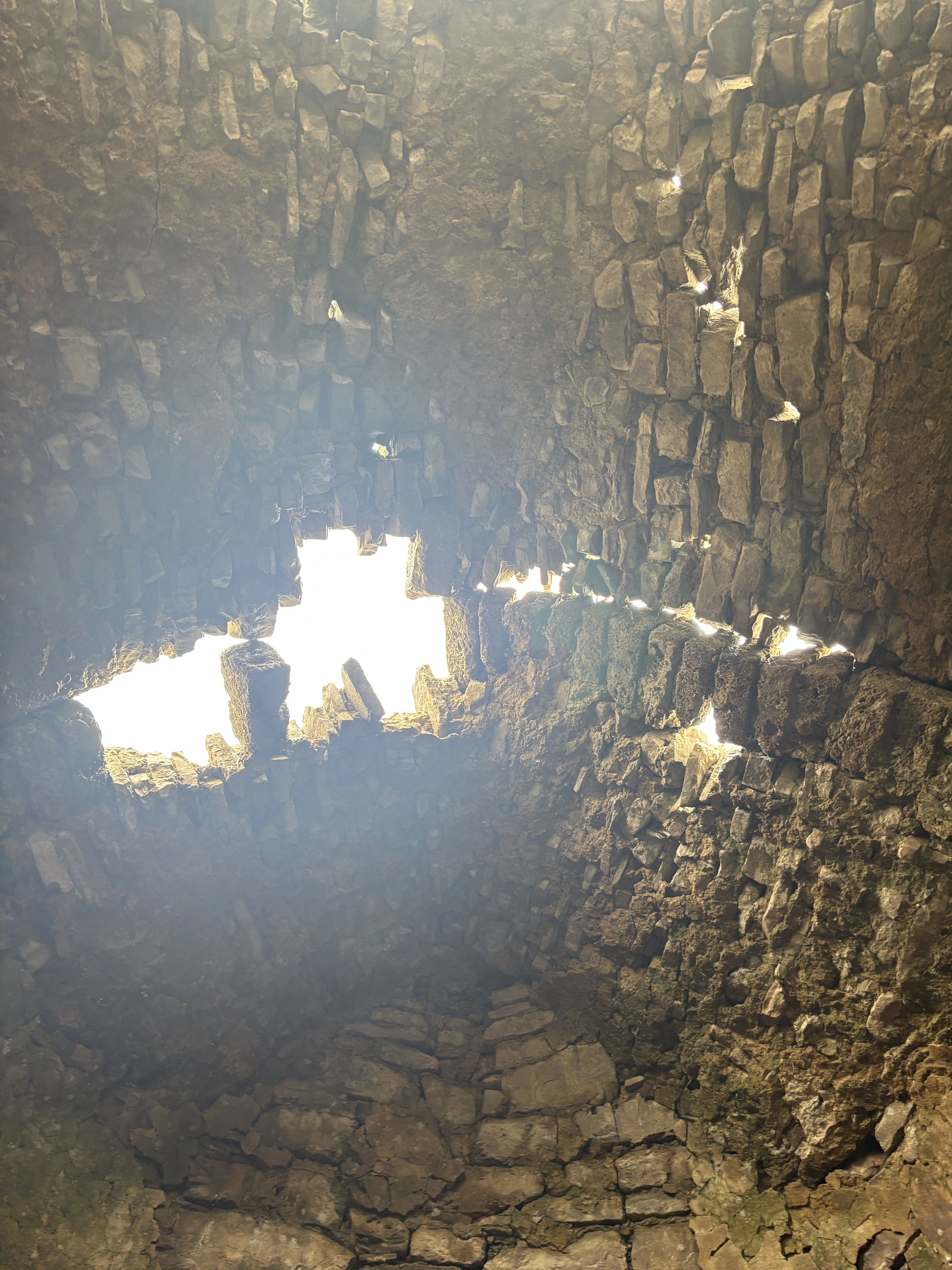
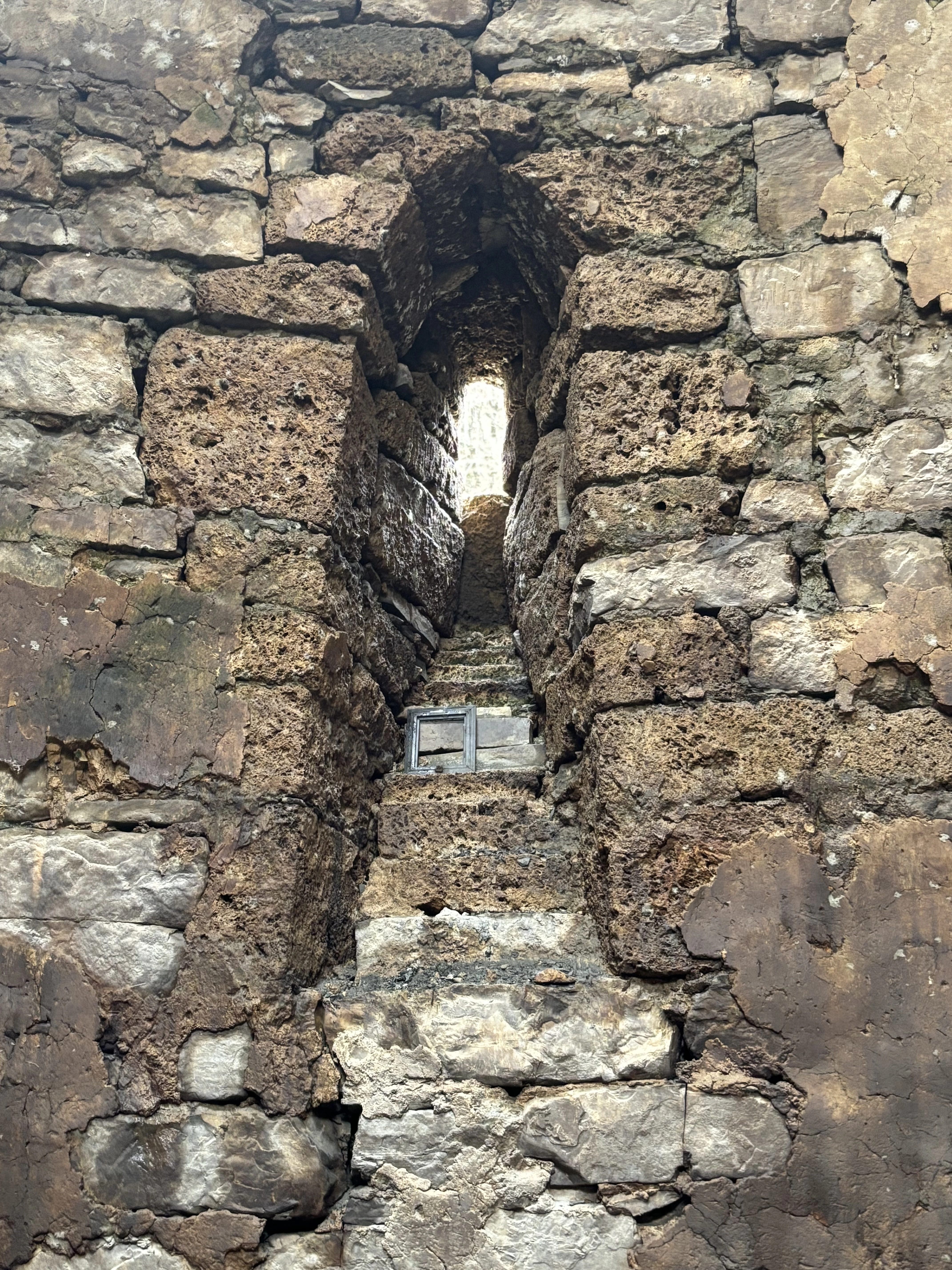
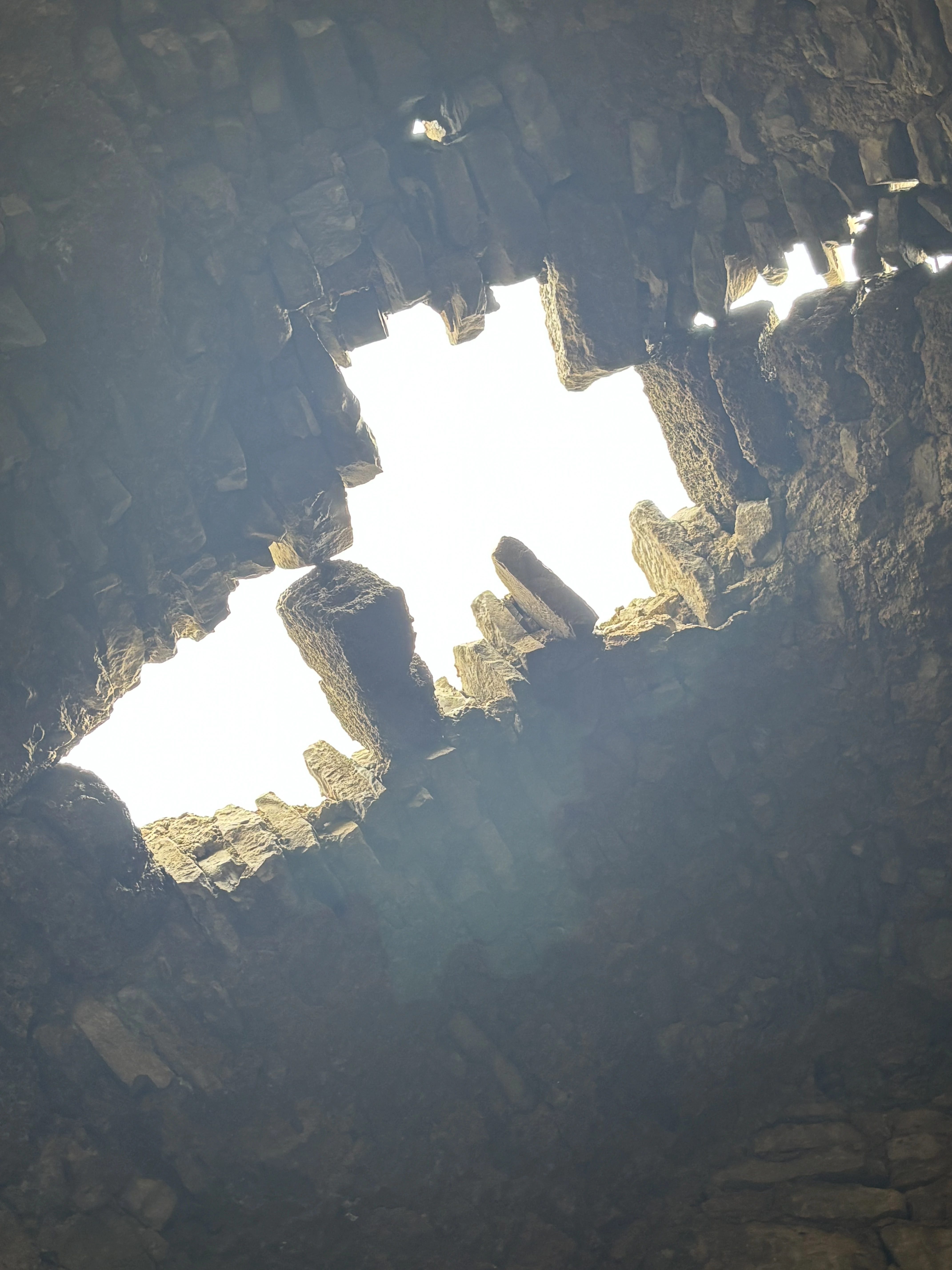
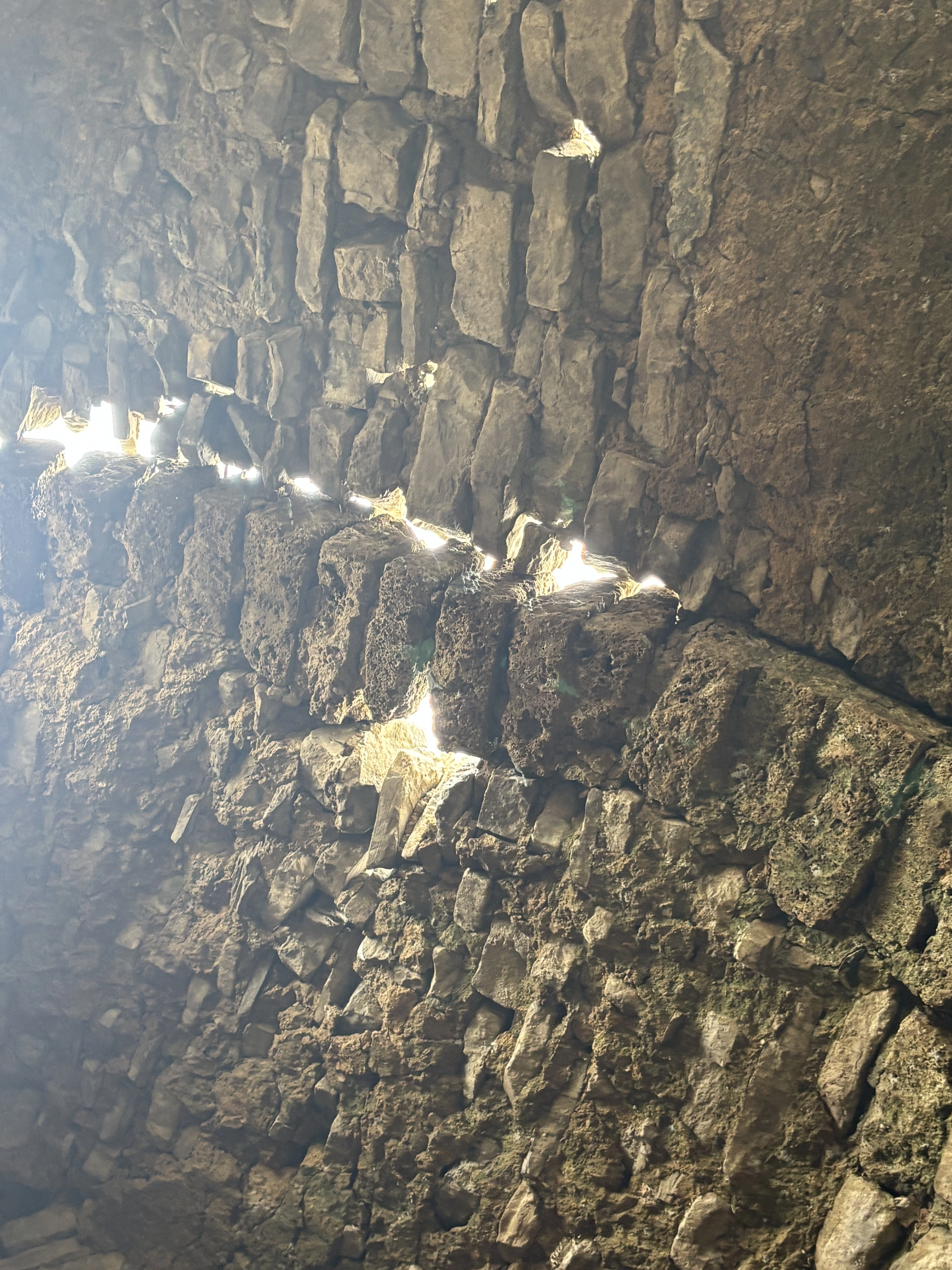
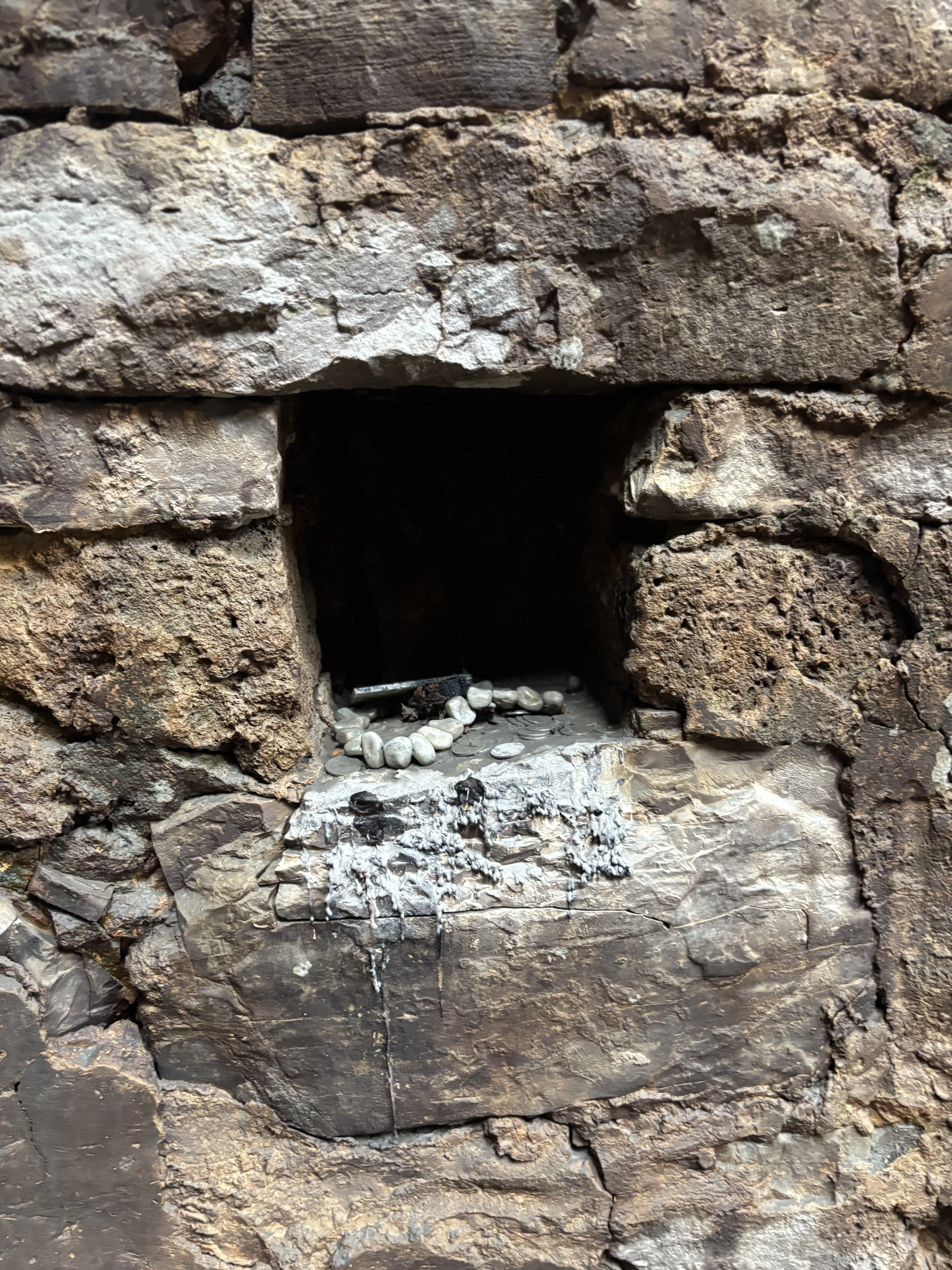
<h3>History</h3><p>The Church of Jvarpatiosani (Holy Cross) in Jinvali is an architectural monument in Georgia’s Mtskheta-Mtianeti region, within Dusheti municipality—historically located in the eastern part of the former village of Jinvali. It is dated to the High Middle Ages and is widely known today because the site is now covered by the waters of the Jinvali reservoir.</p><p>A significant part of what we know about this monument comes from archaeological work. Sources note that in 1974 the site was excavated by the Jinvali Archaeological Expedition of the Ivane Javakhishvili Institute of History, Archaeology and Ethnography. These investigations recorded construction materials, layout, associated structures, and burials—critical details given that the church is now submerged.</p><p>Architecturally, the church was built of limestone and tuff (shirimi). A later annex consisting of three rooms adjoined the south side, and the entrance was arranged from the south through one of the annex rooms. In the apse axis, a window was cut; below it stood a monolithic stone altar table. The sanctuary was separated from the nave by a chancel screen built of tuff stone. Additional windows were opened in the west and south walls, and the church had a gabled slate roof.</p><p>The excavations also revealed burials: one stone grave inside the church and several graves and two crypts outside. This reflects the common medieval pattern in Georgia, where churches served not only liturgical functions but also as burial and memorial spaces for local communities.</p><p>Equally important is the surrounding settlement context. About ten meters southwest of the church, archaeologists uncovered a sizable residential building made of rubble stone, comprising two nearly equal rectangular rooms. One contained a hearth; the other held six qvevri (large clay jars) and two tone ovens. These findings underline that the church stood within a living village environment—alongside food production, storage, and daily domestic life.</p><p>One of the most striking discoveries was an 18th-century hoard found in the southern annex and residential buildings (including various objects and coins). Such hoards are often associated with periods of instability, when valuables were hidden for safekeeping. The discovered material is reported to be kept at the archaeological facilities in Dusheti.</p><p>Today, the church’s fate is inseparable from the Jinvali hydro-complex and reservoir. An English-language source notes that the site went under water as the hydro-complex works began, and it mentions the first unit becoming operational in 1985, after which the village of Jinvali was fully submerged; it also describes the monument as being in poor condition.</p><p>As a result, Jinvali Jvarpatiosani has become a symbol of “submerged heritage”—a medieval monument whose story continued into the modern era of large-scale engineering. Remembering it today is both an act of cultural preservation and a reminder of how dramatically landscapes can change when infrastructure reshapes historical settlements.</p><h3>FAQ</h3><ol start="1"><li><p><strong>Where is Jinvali Jvarpatiosani located?</strong><br>In Dusheti municipality (Mtskheta-Mtianeti), historically in the eastern part of the former village of Jinvali; today it is under the reservoir waters.</p></li><li><p><strong>What period does it belong to?</strong><br>The High Middle Ages.</p></li><li><p><strong>When was it excavated?</strong><br>In 1974 by the Jinvali Archaeological Expedition of the Ivane Javakhishvili Institute.</p></li><li><p><strong>What materials was the church built from?</strong><br>Limestone and tuff (shirimi).</p></li><li><p><strong>What was found around the church?</strong><br>Graves/crypts and a residential building with a hearth, qvevri, and tone ovens.</p></li><li><p><strong>Was any treasure/hoard found?</strong><br>Yes—an 18th-century hoard is reported from the annex and nearby buildings.</p></li><li><p><strong>Why is it underwater now?</strong><br>Due to the Jinvali reservoir/hydro-complex works; one source mentions the first unit operating in 1985.</p></li><li><p><strong>Can visitors see it today?</strong><br>Visibility depends on water levels; conditions and safety vary, so caution is essential.</p></li></ol><h3>Sources</h3><ul><li><p>Wikipedia (KA): Jinvali Jvarpatiosani Church</p></li><li><p><a target="_blank" rel="noopener noreferrer nofollow" href="http://dzeglebi.ge">dzeglebi.ge</a>: Jinvali Jvarpatiosani</p></li><li><p>Georgian Travel Guide (KA): Jinvali Jvarpatiosani Church</p></li><li><p><a target="_blank" rel="noopener noreferrer nofollow" href="http://about.ge">about.ge</a> (EN): Jvaripatiosani — Dusheti district</p></li></ul>
Gallery
7 photos