



Explore places
Browse curated places across Georgia: attractions, restaurants, hotels, and unique experiences.
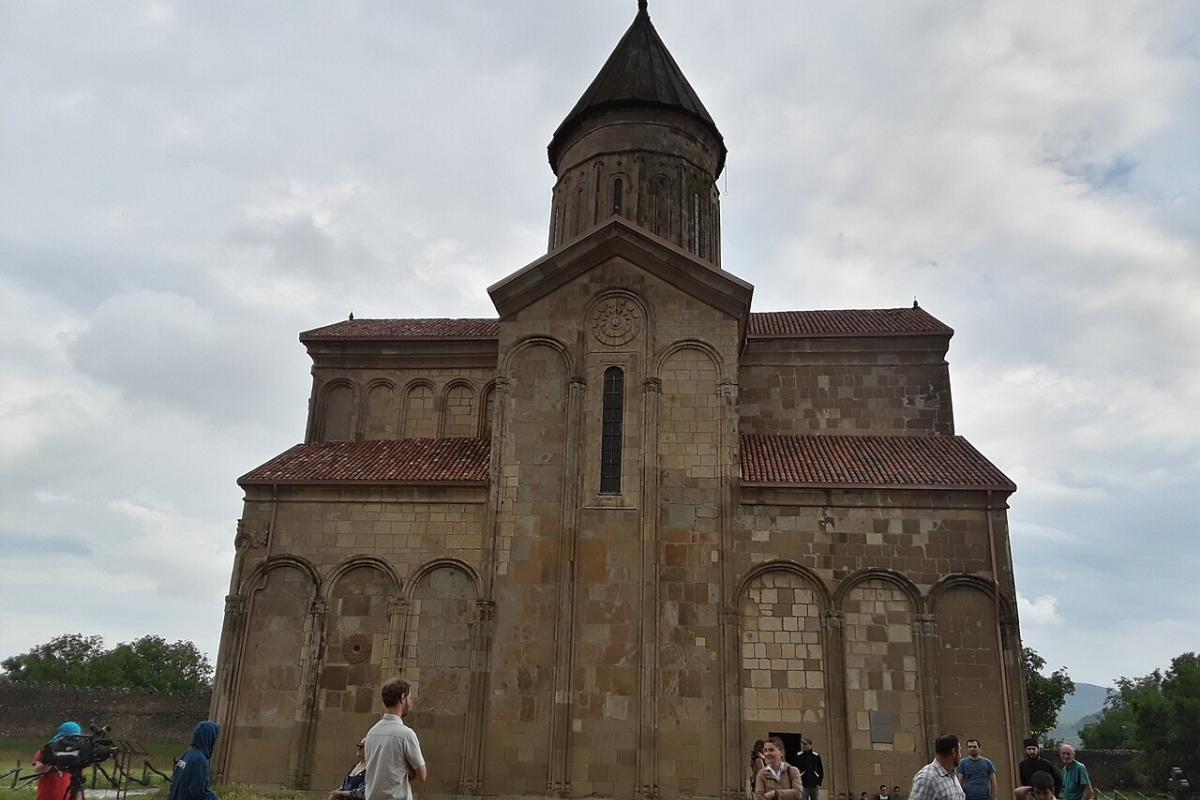
Samtavisi Cathedral
Shida Kartli
An eleventh-century cross-in-square cathedral in the village of Samtavisi in Kaspi municipality, on the left bank of the Lekhura river. It was built in 1030 by Hilarion, bishop of Samtavisi, and set an example for many churches of medieval Georgia; its five-arched east façade, with a great carved cross, two deep niches and a griffin relief, is one of the best-known works of Georgian architecture. Inside are paintings of 1679, and in the yard a fortified wall with a bell tower, the bishop's palace and the traces of a wine cellar of 1050. Since 2007 the complex has been on the UNESCO World Heritage tentative list.
Explore
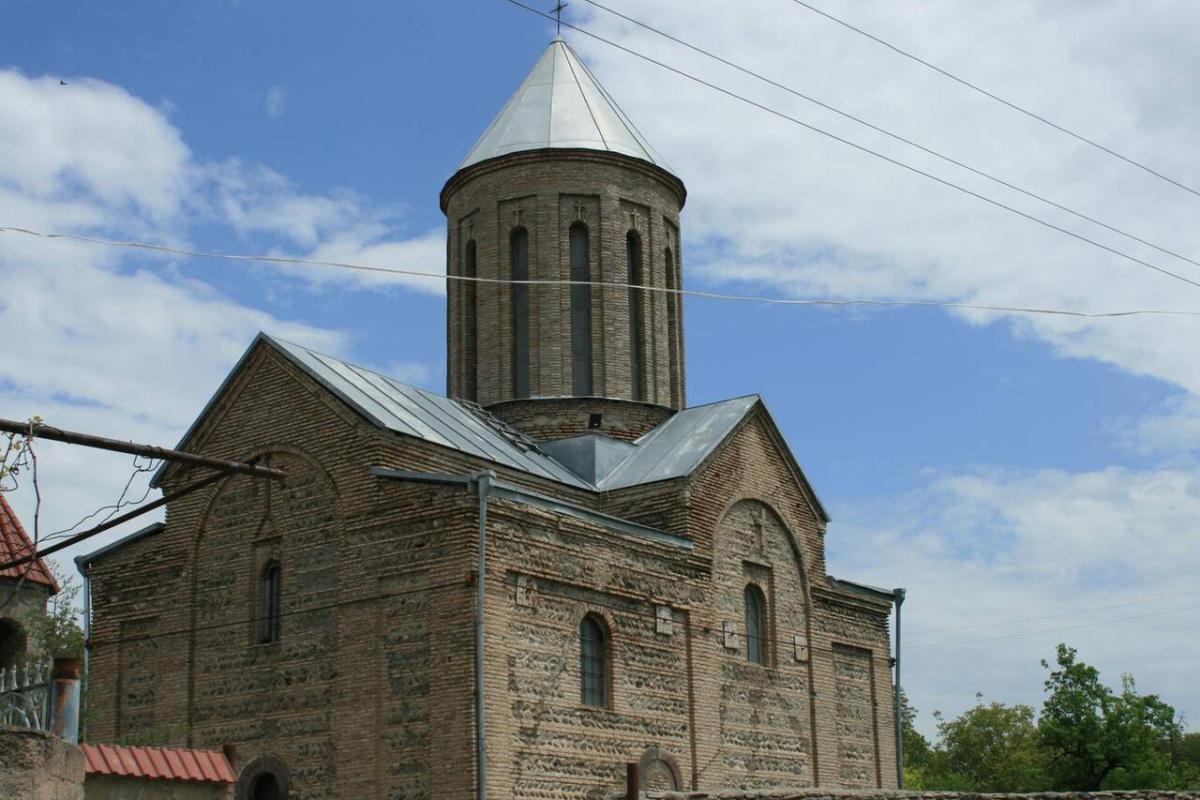
Ruisi Cathedral
Shida Kartli
The cathedral of the village of Ruisi in Kareli municipality, a cross-in-square church with a tall twelve-sided dome on the plain of Shida Kartli, beside the Gori–Khashuri highway. Its oldest masonry goes back to the eighth–ninth century; the church was remodelled in the tenth and eleventh centuries and rebuilt after Timur's invasions by King Alexander I (1412–1442). Ruisi was the see of the bishops called Mroveli and one of the two meeting places of the church council of David IV in 1103; today, together with Urbnisi, it is a principal cathedral of the eparchy of Urbnisi and Ruisi.
Explore
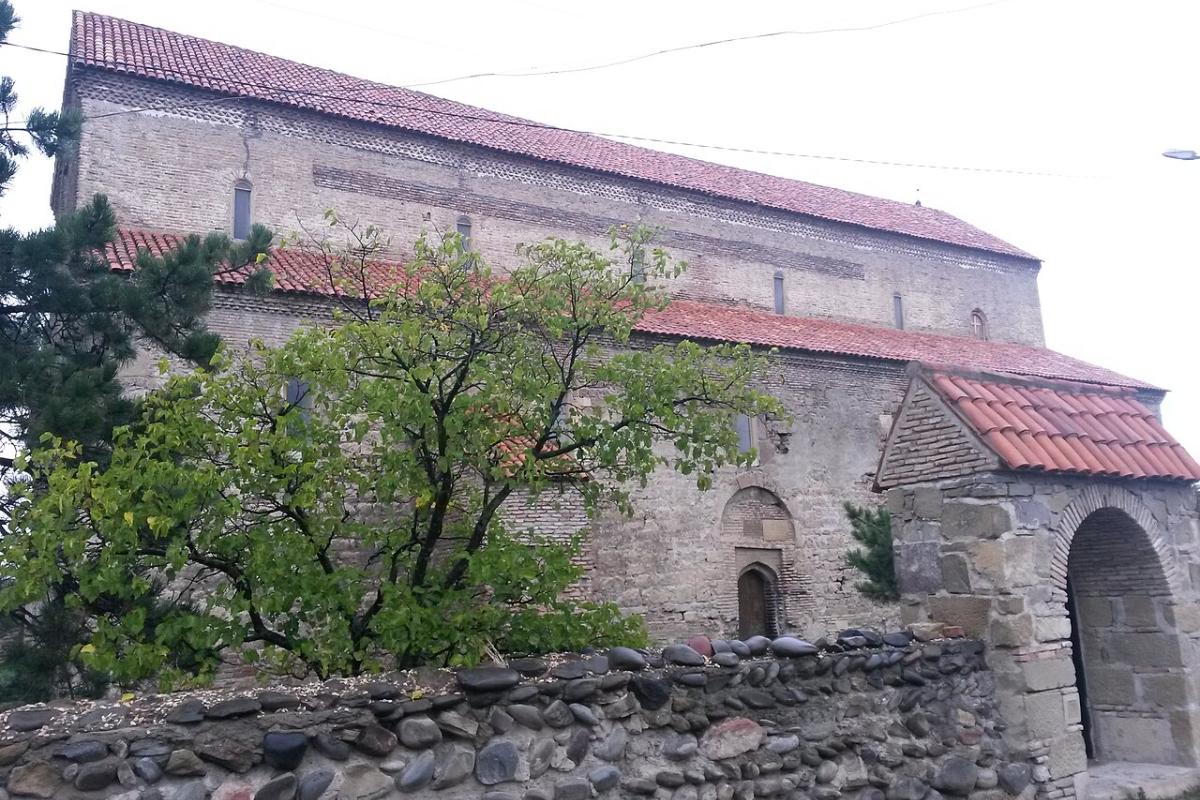
Urbnisi Cathedral
Shida Kartli
A large three-nave basilica in the village of Urbnisi in Kareli municipality, on the left bank of the Mtkvari, on the site of one of the chief cities of ancient Kartli. Known as the Sioni of Urbnisi and dedicated to Saint Stephen the Protomartyr, it is dated by its style and by the asomtavruli inscription on its north façade, one of the oldest in the Georgian script, to the fifth–sixth century, and was rebuilt in the ninth–tenth century and in 1668. In 1103 Urbnisi, together with Ruisi, hosted the church council of David IV; today it is one of the two principal cathedrals of the eparchy of Urbnisi and Ruisi.
Explore
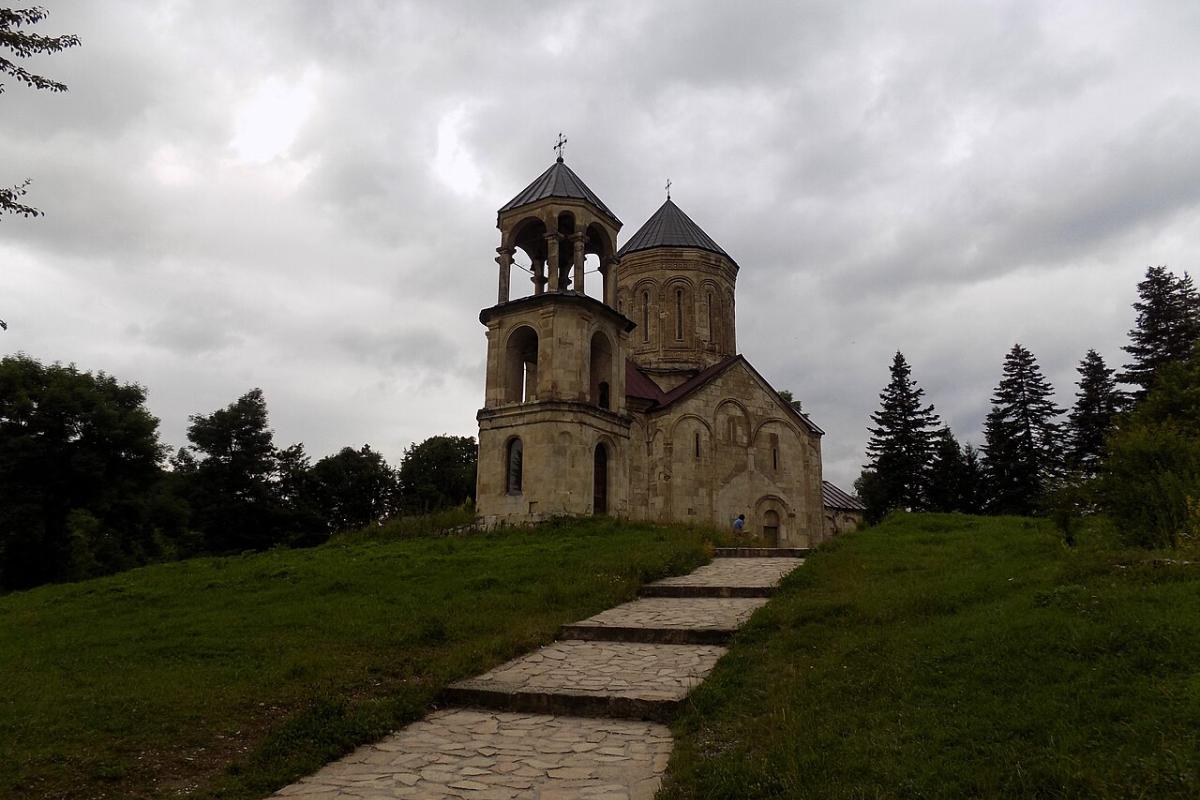
Nikortsminda Cathedral
Racha-Lechkhumi and Kvemo Svaneti
The principal church of Racha and one of the summits of Georgian stone carving: a six-apse domed church of St Nicholas raised in 1010–1014 on the order of Bagrat III and standing almost unchanged to this day, with the Transfiguration, the Second Coming and the Exaltation of the Cross on its façades, a 12-window drum, frescoes of the sixteenth and seventeenth centuries, the seat of the bishops of Racha from 1534 and a monument on the UNESCO tentative list since 2007.
Explore
Bagrati Cathedral
Kutaisi
•
Imereti
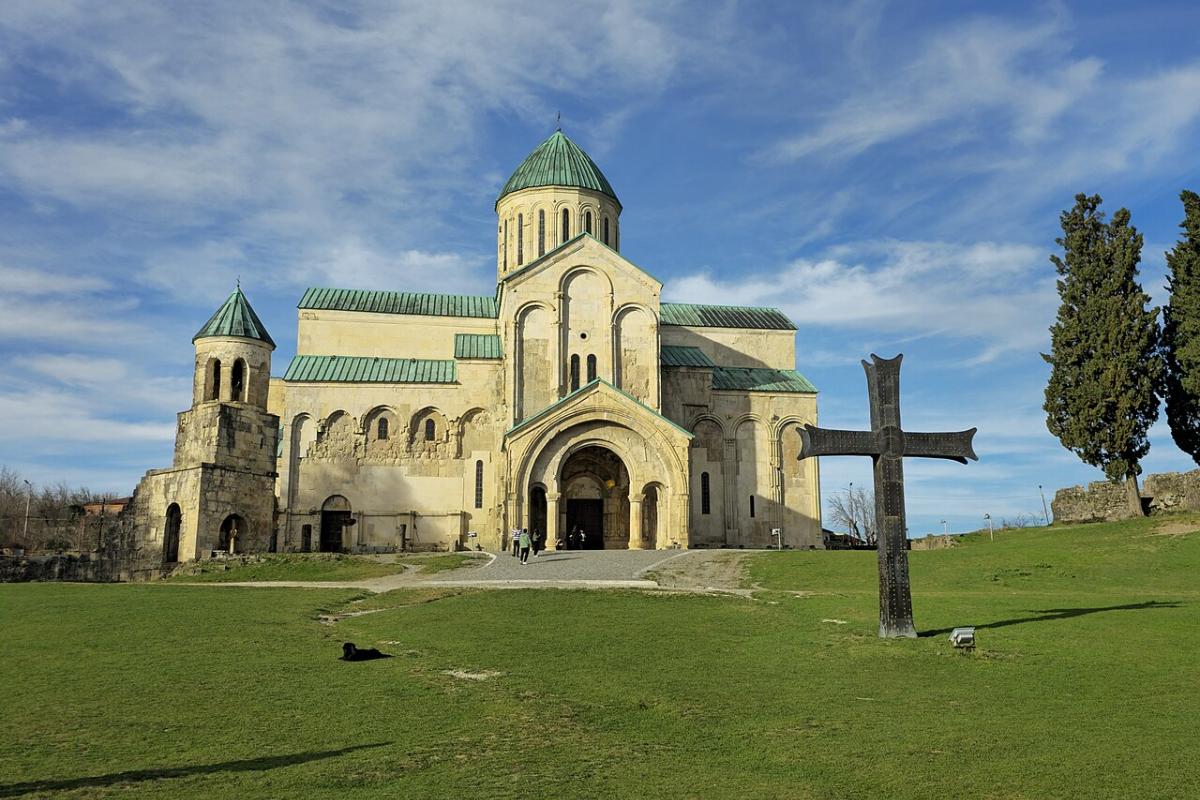
The cathedral of the Dormition consecrated by Bagrat III in 1003 on Ukimerioni Hill in Kutaisi: the first great cathedral of united Georgia and the place where its kings were crowned, blown up by the Ottomans in 1691, a ruin that Dubois de Montpéreux called "the most remarkable monument in Georgia", controversially rebuilt in 1952–2012 and for that reason struck from the UNESCO list in 2017.
Explore
Tsaishi Cathedral
Samegrelo-Zemo Svaneti
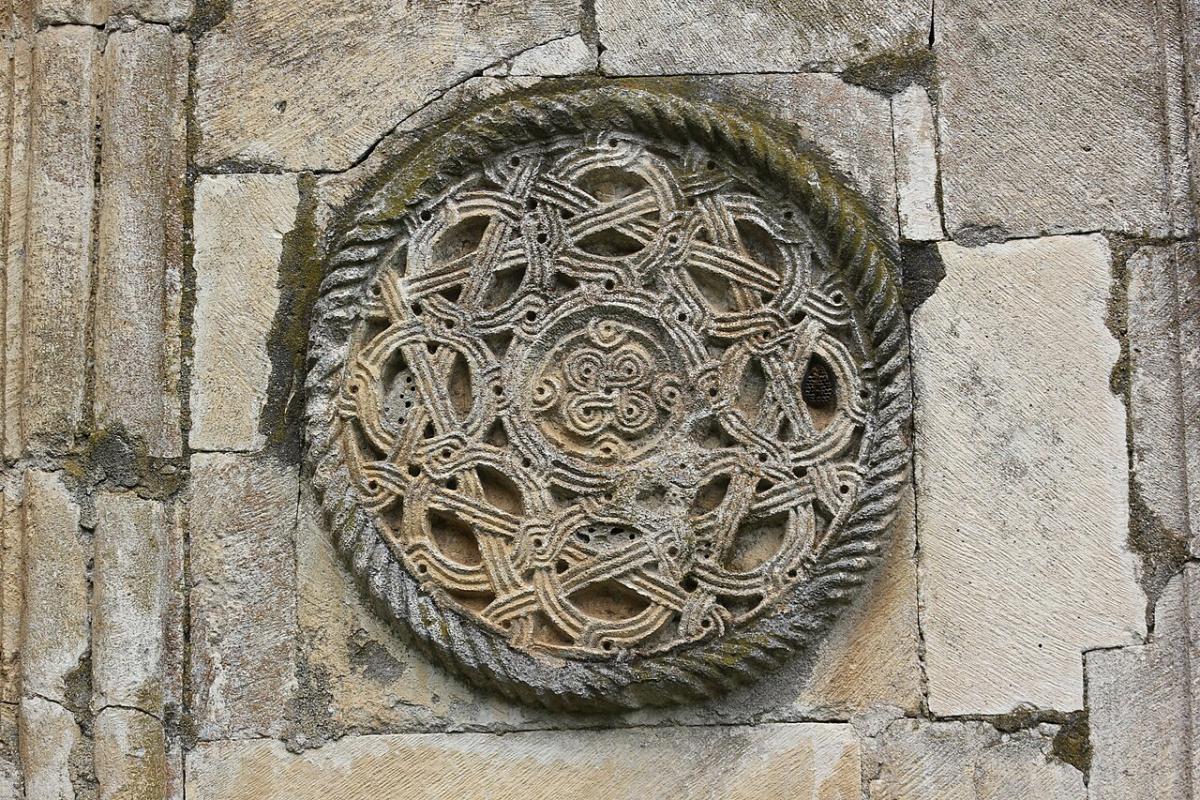
A domed cathedral of the Dormition some ten kilometres from Zugdidi on the first hills above the Colchian lowland: one of the oldest episcopal sees of Georgia, listed as a diocese of Lazica in 602–610; the building of the turn of the thirteenth and fourteenth centuries was restored after the earthquake of 1614 by Bishop Malakia Gurieli, with a tenth-century "palati" and frescoes of the Virgin.
Explore
Poti Cathedral
Poti
•
Samegrelo-Zemo Svaneti
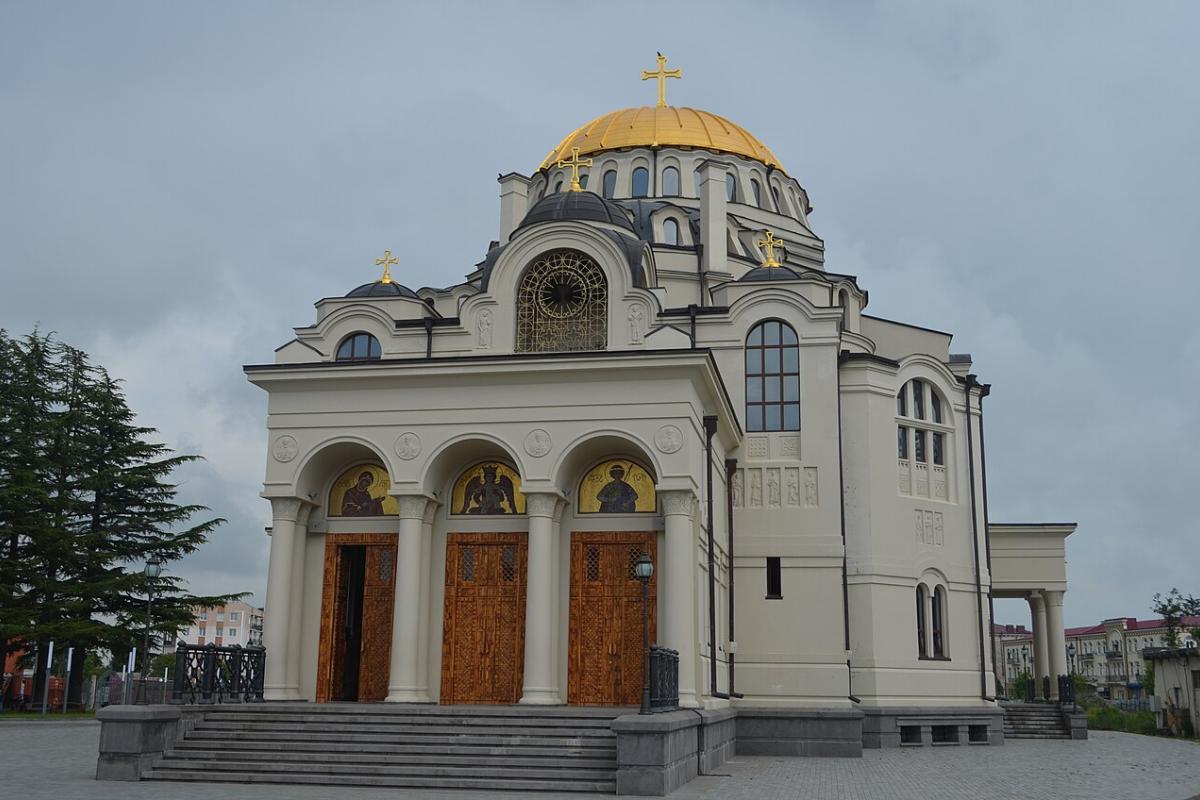
A reduced copy of Hagia Sophia in the centre of Poti: a neo-Byzantine cathedral for 2,000 worshippers built in 1906–1907 on the initiative of Niko Nikoladze to a design by the architects Zelenko and Marfeld, one of the first uses of reinforced concrete in a church anywhere, and from 1923 to 2005 a theatre.
Explore
Tsalenjikha Cathedral
Tsalenjikha
•
Samegrelo-Zemo Svaneti
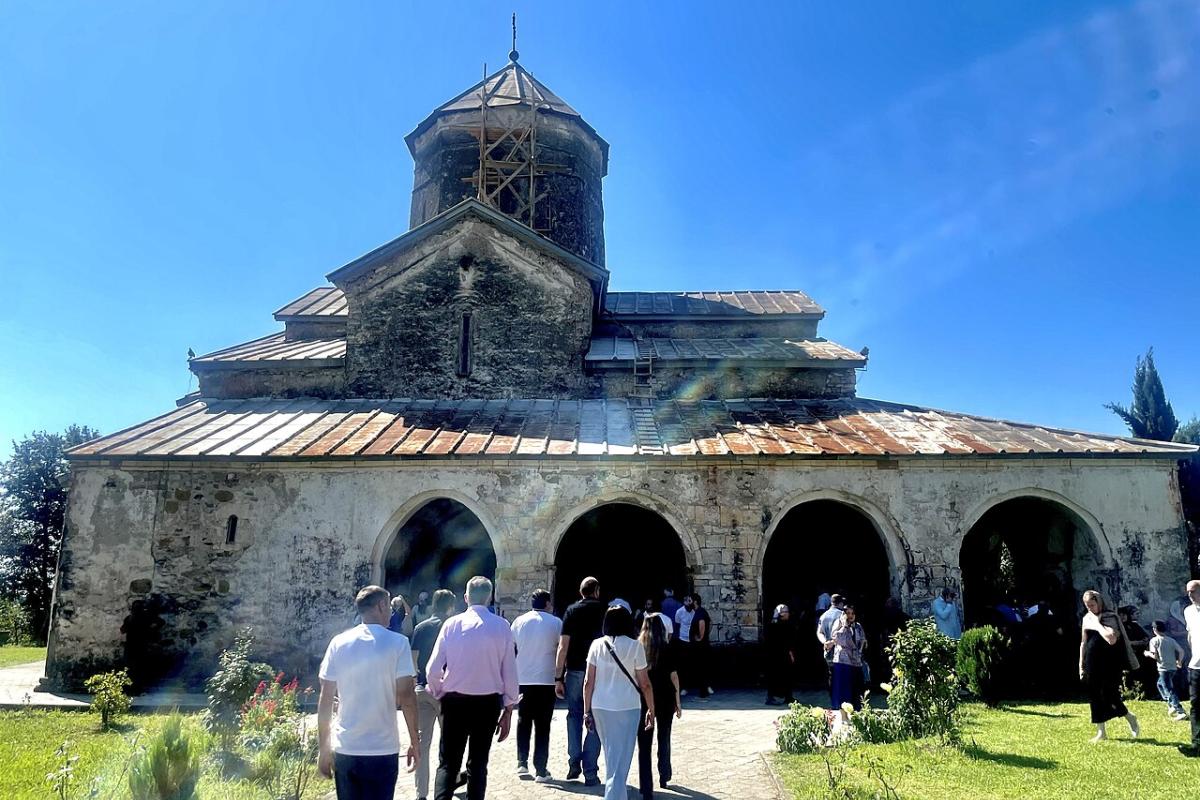
The cathedral of the Transfiguration of the Saviour on a hill at Tsalenjikha, the ecclesiastical centre of the principality of Odishi and the burial place of the Dadiani, whose walls were painted at the end of the fourteenth century for Vameq I Dadiani by the Constantinopolitan master Cyrus Manuel Eugenikos: the only surviving, precisely dated and signed work of the late fourteenth-century Constantinopolitan school.
Explore
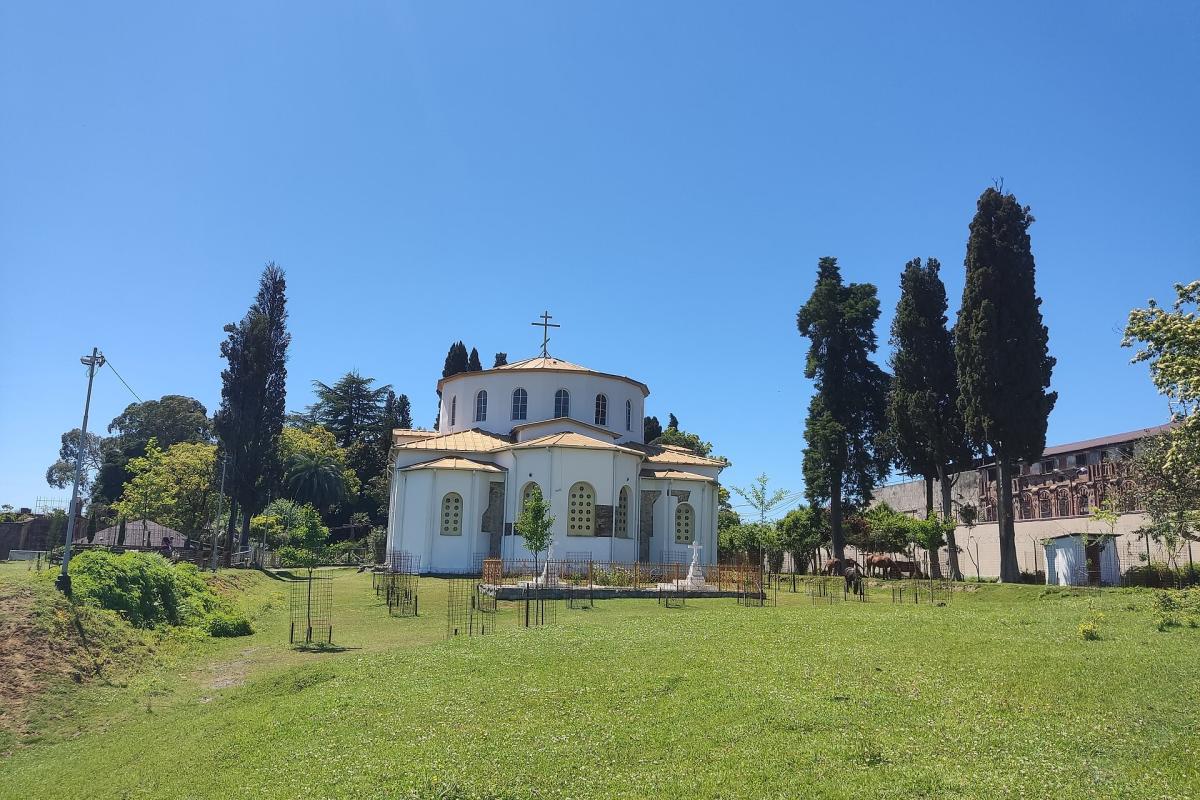
Dranda Cathedral
Abkhazia
An early medieval domed cathedral on the bank of the Kodori, 23 kilometres from Sukhumi, built of brick with a broad drumless dome: the seat of the bishops of Dranda from the tenth to the seventeenth century and, in the judgement of the archaeologist Liudmila Khrushkova, unique of its kind on the eastern Black Sea coast.
Explore
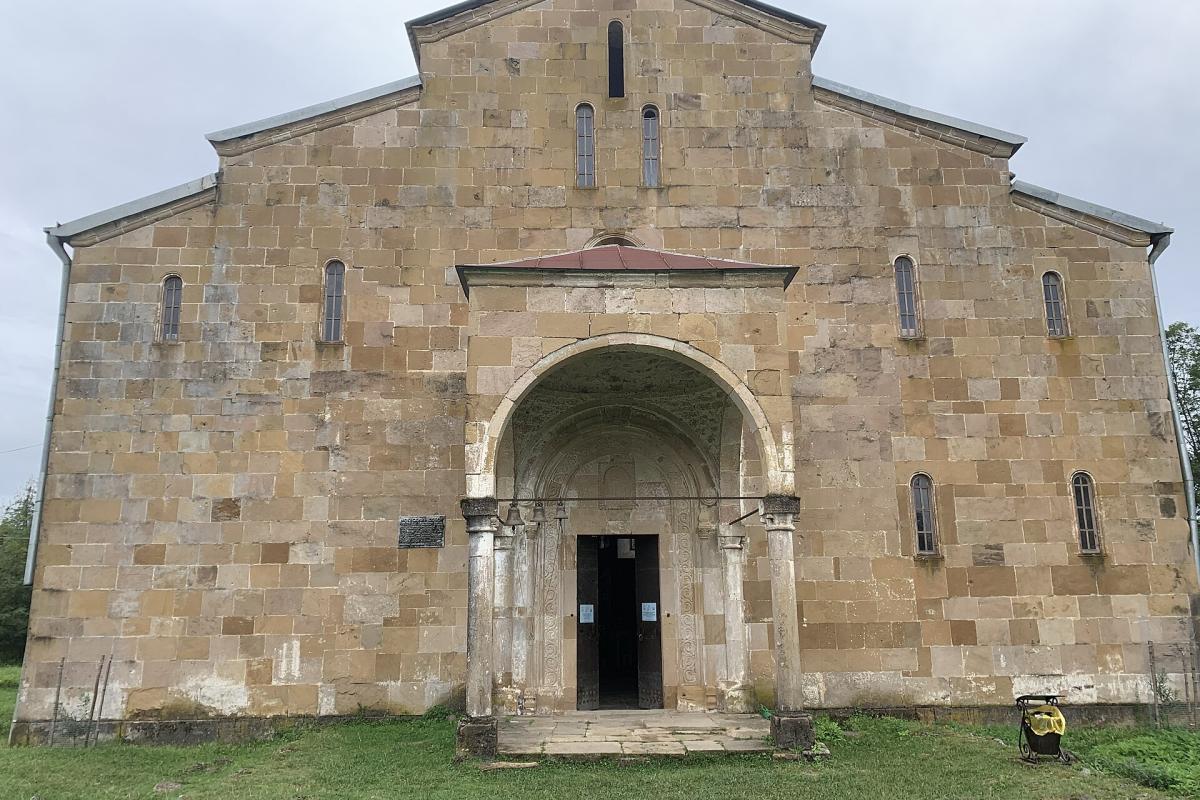
Mokvi Cathedral
Abkhazia
A cathedral built in 957–967 by Leon III, king of the Abkhazians, in the village of Mokvi: the seat of the bishops of Mokvi, a centre of Georgian letters from which the Mokvi Gospels of 1300 come, and the family burial place of the Shervashidze princes.
Explore
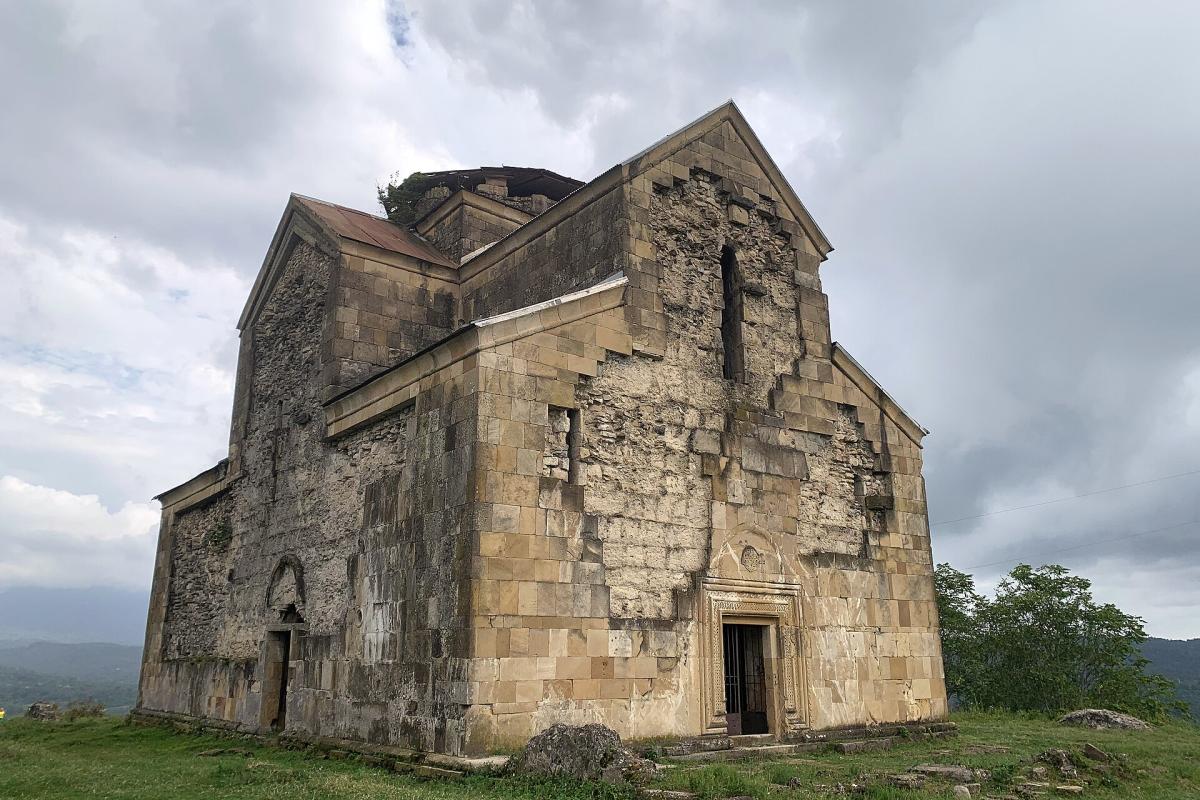
Bedia Cathedral
Abkhazia
An episcopal cathedral in the village of Bedia consecrated in 999 by Bagrat III, the burial place of the first king of united Georgia and of his mother Gurandukht, with three layers of frescoes, asomtavruli inscriptions and the ruins of the palace of the metropolitans of Bedia.
Explore
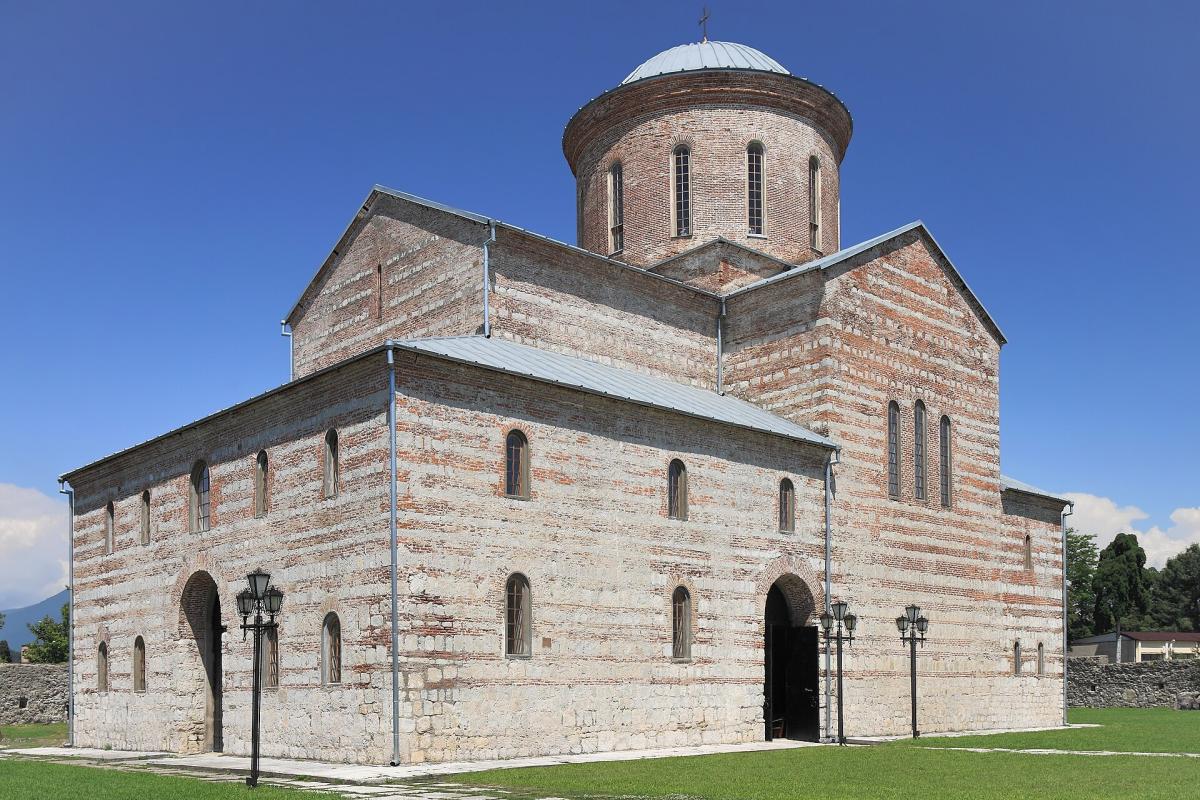
Pitsunda Cathedral
Abkhazia
A tenth-century cross-domed cathedral at Pitsunda, for centuries the seat of the Catholicoi of Abkhazia and today a concert hall with an organ installed in 1975: the largest early medieval church in Abkhazia.
Explore
Browse more
Explore places by cities and regions to plan your trip faster.